Do you believe in astrology? This question divides many people. Some check their horoscope every day. Others see it as mere fantasy. This article explores both sides of the debate. We look at the science that questions astrology. We also examine why it remains so popular. Our goal is to help you understand this complex topic. You can then form your own informed opinion.
Understanding Astrology
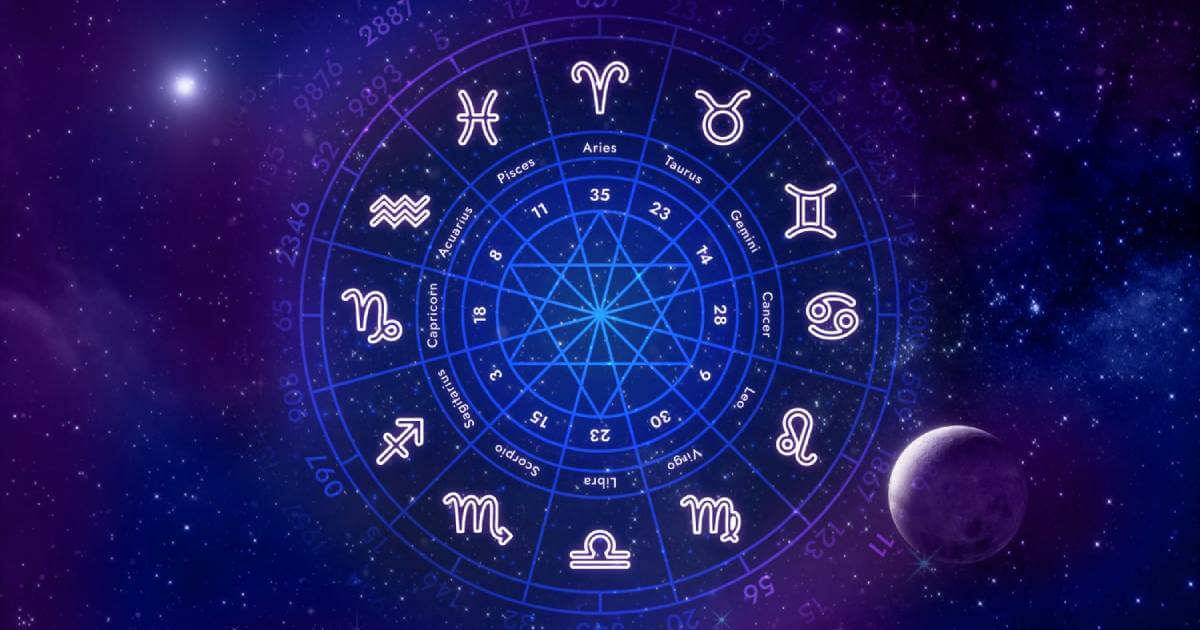
Many people think astrology is just sun signs. But it is much more complex. Astrology studies how celestial bodies might influence life. It looks at planets, stars, and their positions. Practitioners create natal charts for deeper insight. These charts use your exact birth details. They map planetary positions at that moment. This offers a unique personal snapshot, according to believers.
Historical Background
Astrology has ancient roots. It began in Mesopotamia thousands of years ago. Civilisations worldwide developed their own systems. Ancient cultures in Babylon and Greece used it. Even famous astronomers like Kepler practised it. For centuries, science and astrology were connected. The separation started with modern scientific methods.
Scientific Challenges to Astrology
Most scientists question astrological claims. They point to several key problems. These issues make astrology hard to prove scientifically. Let’s explore the main scientific objections.
The Precession Problem
Earth’s axis shifts over time. This movement is called precession. It changes how we see the stars. The zodiac signs no longer match constellation positions. This means your star sign might be wrong. The system uses outdated celestial maps. This challenges astrology’s basic structure.
Missing Physical Mechanisms
Science knows four fundamental forces. These are gravity and electromagnetic forces. Also included are strong and weak nuclear forces. Astrology needs another force to work. No evidence for such a force exists. Planetary gravity is too weak to affect humans. The doctor in the delivery room has more gravitational pull.
Failed Scientific Tests
Researchers test astrology in controlled studies. Participants read different horoscopes. They cannot pick their real reading from fake ones. People rate all readings as equally accurate. This suggests horoscopes work through psychology. Not through actual planetary influence.

Why Astrology Remains Popular
If science questions astrology, why do people believe? The answer lies in human psychology. Several mental processes make horoscopes feel true. Understanding these helps explain astrology’s appeal.
The Barnum Effect
People accept vague descriptions as personal truth. This is the Barnum Effect. Statements like “You sometimes doubt your decisions” feel specific. But they apply to almost everyone. Horoscopes use this principle effectively. They make general statements feel personal and accurate.
Confirmation Bias
We notice things that confirm our beliefs. We ignore what doesn’t fit. If a horoscope predicts a good day, you notice positive events. You forget the negative ones. This selective memory makes predictions seem accurate. It strengthens belief in the system.
Search for Meaning
Humans seek patterns and meaning. Astrology offers a structured worldview. It explains personality and life events. This provides comfort and certainty. It helps people understand complex human experiences. The system gives a sense of order and control.
Modern Astrology Practice
Today’s astrology has evolved. Many use it as a tool for reflection. Not as aan bsolute truth. This approach has several key aspects:
- Self-Understanding: People use it to explore their personality
- Relationship Insight: It helps examine relationship dynamics
- Personal Growth: Some use it to identify strengths and weaknesses
- Community Building: It creates shared interests and connections
Balancing Perspective
We can find a middle ground in this debate. We can appreciate astrology’s cultural role. While acknowledging scientific criticism. This balanced approach has several benefits:
- Enjoy astrology as entertainment
- Use it for self-reflection when helpful
- Maintain critical thinking about predictions
- Respect different viewpoints on the topic
Conclusion: Finding Your Answer
The astrology debate has no simple answer. Science finds no proof for its claims. Yet psychology explains why people believe. Your approach can be personal and practical.
You can enjoy horoscopes as fun entertainment. You can use them for self-reflection. But maintain your critical thinking skills. Remember that you control your life decisions. The stars don’t determine your path.
Whether you believe in astrology is your choice. Make it an informed one. Understand both the scientific facts and psychological appeals. This balanced view serves you best in the long run.