You see your horoscope pop up on your social media feed. Your friend passionately explains a relationship dynamic through their Venus sign. A dating app asks for your birth chart. In our modern, hyper-connected world, astrology has experienced a massive resurgence. It has moved from the back pages of newspapers into the heart of digital culture. Read More
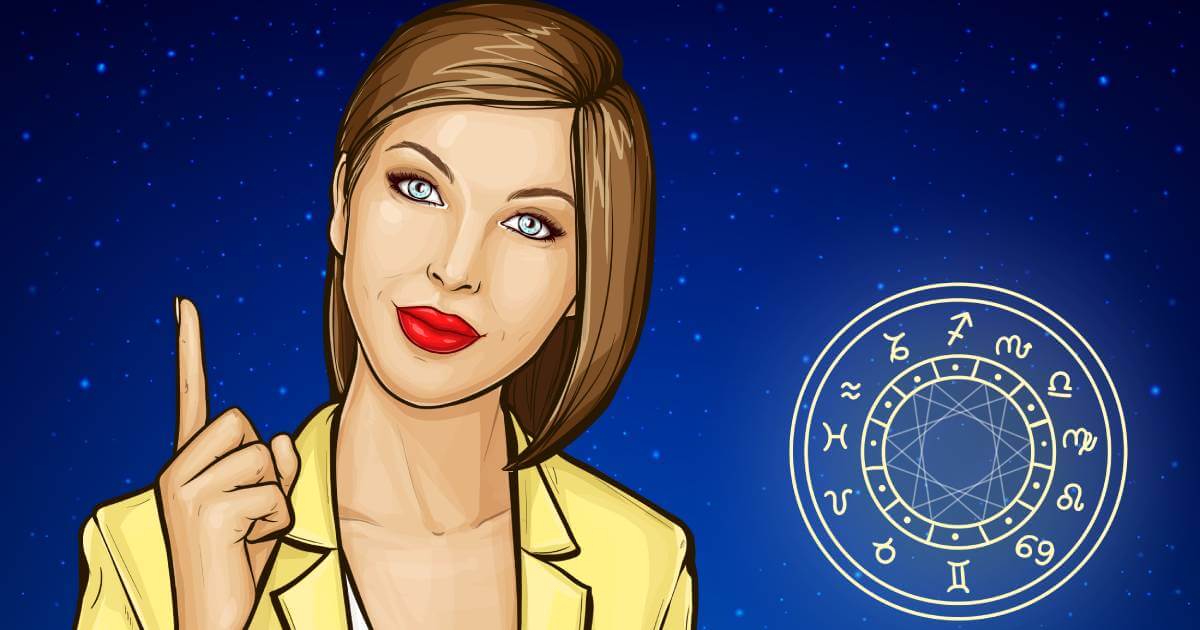
This ancient practice suggests a meaningful link between the movements of planets and stars and events on Earth, especially in human life. This idea inevitably raises a big question: Is astrology true? The answer is not a simple yes or no. It’s a complex mix of ancient history, modern science, human psychology, and personal belief.
This article will guide you through this cosmic puzzle. We will help you understand what astrology really is. Furthermore, we will examine what science has to say about it and why it remains so popular. Ultimately, you can decide for yourself whether to believe in it.
What Exactly is Astrology? Beyond Sun Signs
First, we need to understand what we’re discussing. It’s important to know that astrology is not astronomy. Astronomy is the scientific study of space, stars, and planets. Astrology, on the other hand, is a symbolic system. It is a type of tradition that finds meaning in the connection between the sky and our lives.
Essentially, it proposes that the positions of planets at a specific time can relate to human personality and events on Earth.
Understanding the Birth Chart
At its heart, a birth chart is like a snapshot of the sky at the exact moment you were born. This chart is divided into twelve sections, each representing a zodiac sign. The Sun, Moon, and planets move through these signs.
However, a professional astrologer looks at much more than just your Sun sign. For instance, they analyze how all the planets interact. They also study the “houses,” which represent different parts of your life. Additionally, the angles between planets, known as “aspects,” are very important.
All of this information combines to create a detailed personal map. Followers of astrology believe this map can reveal your strengths, challenges, and life journey.
The Historical Roots: From Babylon to the Digital Age
Astrology is one of the oldest human practices. It started over 4,000 years ago in Mesopotamia. Babylonian priests began tracking planets to predict seasons and major events, which they saw as messages from their gods.
This early version, known as mundane astrology, focused on kings and nations, not regular people. Later, the Greeks improved the system. Specifically, they added the twelve-sign zodiac and started focusing on individual lives, creating natal astrology.

The Great Split with Science
Important thinkers like Ptolemy wrote key books that organized astrological knowledge. For a long time, astrology and astronomy were the same field. In fact, famous scientists like Johannes Kepler also created horoscopes for royalty.
However, everything changed during the scientific revolution in the 17th century. As a result, astronomy became a strict science based on proof. Meanwhile, people started viewing astrology as a superstition.
The Scientific Scrutiny: Putting Astrology to the Test
This is where opinions clash. Most scientists reject astrology as a false science. But what are their reasons? Let’s look at the main scientific arguments against it.
The “Forer Effect” and Cold Reading
There’s a strong psychological reason why astrology often feels right. It’s called the Barnum Effect (or Forer Effect). In a famous 1948 experiment, a psychologist gave students a fake personality test. He then gave everyone the same general description.
Surprisingly, the students rated this description as highly accurate for them. The description used statements that could apply to almost anyone, like “You have a great need for people to like you.”
Similarly, horoscopes use this same method. They are written to be vague and general enough to feel personal to many people.
Cold Reading Techniques
This effect is often combined with “cold reading.” In other words, astrologers or psychics make broad guesses and watch your reactions. Then, they adjust their statements based on your responses, making it seem like they know special details about you.
The Question of Physical Mechanisms
Science works with known physical forces. So, if planets affect us, how does it work? The two main forces to consider are gravity and light. First, let’s talk about gravity.
The gravity from a doctor in your delivery room is much stronger than the gravity from Mars. Simply put, planets are too far away to have any real physical effect on our bodies or personalities.
Similarly, the light from distant stars is incredibly weak by the time it reaches us. Moreover, the star groups we call constellations aren’t real families of stars. They just look that way from our viewpoint on Earth.
Failed Controlled Experiments
When researchers test astrology under strict conditions, it usually fails. For example, one famous study claimed a link between the planet Mars and the birth of top athletes. However, other scientists could not repeat these results.
In other tests, astrologers could not match birth charts to the right people better than random guessing. They also could not reliably predict personality or life events. Because of these consistent failures, major science groups label astrology as a pseudoscience.

The Enduring Allure: Why We’re Drawn to Astrology Anyway
If science is against it, why is astrology still so popular? The answer lies in basic human needs that science doesn’t always fulfill.
- A Tool for Self-Reflection: Essentially, astrology gives us a framework to understand ourselves. It provides a language for looking inward. Asking “Who am I?” can be hard. Therefore, astrology offers a structured way to explore that question with stories and patterns.
- A Sense of Order and Control: Our brains love to find patterns. We dislike randomness and chaos. Consequently, astrology adds a cosmic order to life’s unpredictability. For instance, blaming communication issues on “Mercury retrograde” can feel easier than accepting that sometimes things just break for no reason.
- Community and Identity: Saying “I’m a Scorpio” is a quick way to express part of your identity. It helps you connect with others. Online, astrology creates strong communities where people share memes and discuss relationships, creating a sense of belonging.
- Cognitive Biases at Play: Besides the Forer Effect, other mental shortcuts strengthen belief. Confirmation bias makes us notice things that support our existing beliefs and ignore what doesn’t. Similarly, the placebo effect is powerful. If you believe a new moon brings new beginnings, you might feel more motivated to start a project, making the astrology seem true.
So, Should You Believe in Astrology? A Framework for Your Decision
In the end, believing in astrology is a personal choice. Science is clear about its lack of physical proof. But human life involves more than just physical facts. Here is a simple way to think about your relationship with astrology.
Use It as a Tool, Not a Tyrant
For many, the healthiest approach is to see astrology as a tool for thought, not a set of rules. Think of it as a source of inspiration, similar to therapy or writing in a journal. It can be a great starting point for self-discovery.
For example, if your horoscope suggests you need rest, use that idea to check in with yourself. Are you actually tired? Have you been working too hard? The real value isn’t in the stars’ command, but in the reminder to take care of yourself.
Problems arise when astrology controls your life. Don’t blame your flaws on your sign. Likewise, don’t avoid chances because the “planets aren’t right.” This kind of thinking takes away your personal power and responsibility.
Maintain a Critical Mind and an Open Heart
You can enjoy the stories and ideas of astrology while knowing it’s not scientifically proven. This balance lets you enjoy the social and reflective parts without rigid belief. Always think critically. Ask questions about vague statements. Pay attention when you only notice confirming evidence.
This awareness doesn’t have to spoil the fun. Actually, it can make your experience richer by helping you find the useful, symbolic wisdom.

The Final Verdict: A Matter of Personal Philosophy
Astronomy shows us a universe ruled by physical laws. In contrast, astrology offers a universe full of symbols and stories. They are simply two different ways to understand life.
One is a factual map of the land. The other is a treasure map of possibilities. You get to choose which one, or which combination, helps you live a wiser and more purposeful life.
Scientifically, astrology is not true. However, the comfort, community, and self-awareness it provides can feel very real and valuable to those who use it.
Finally, the most important question isn’t “Is astrology true?” but “Is astrology helpful *for me*?” Does it make you more understanding? Does it offer comfort without limiting you? Does it encourage you to grow?
Your honest answers to these questions are the best guide you have, both through the stars and back to yourself.